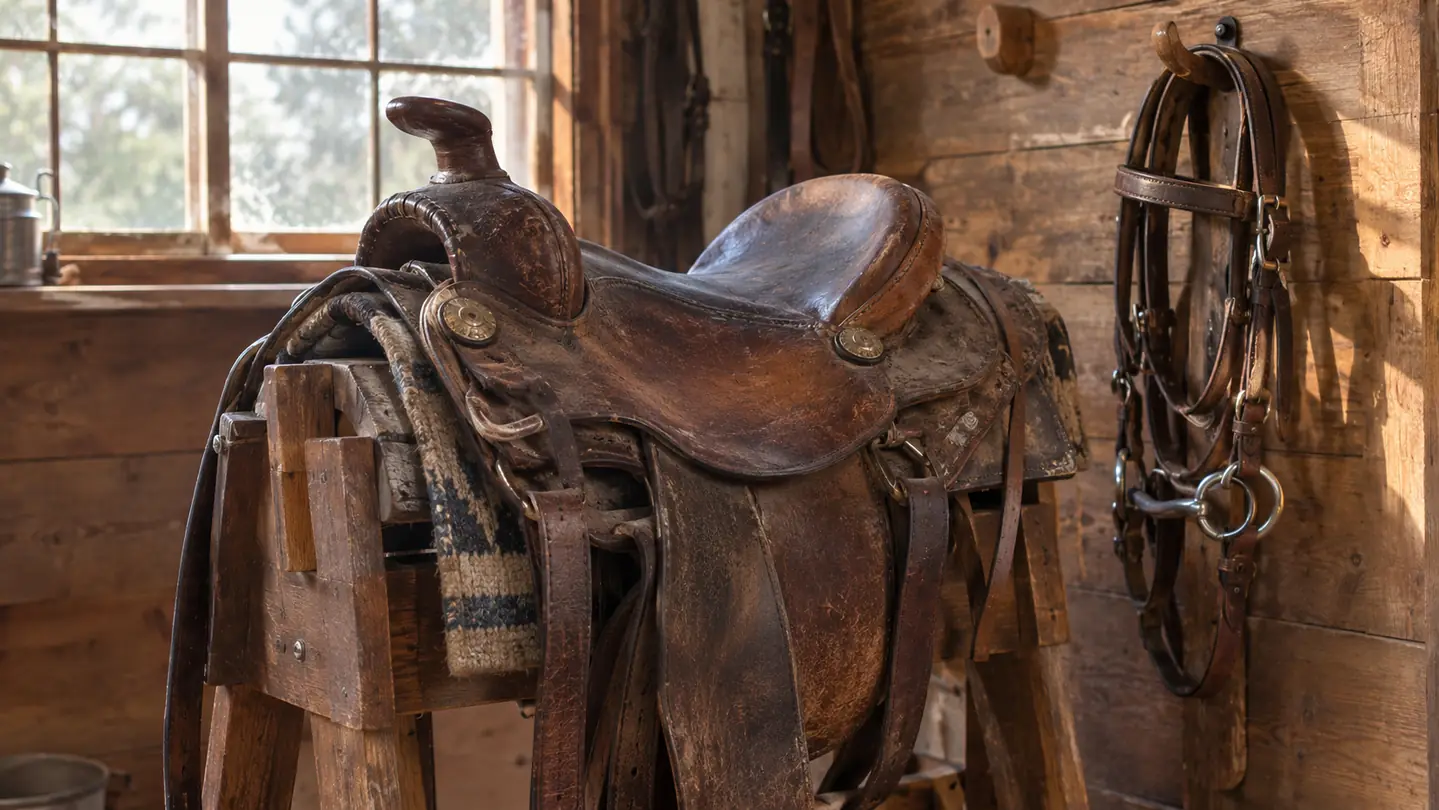
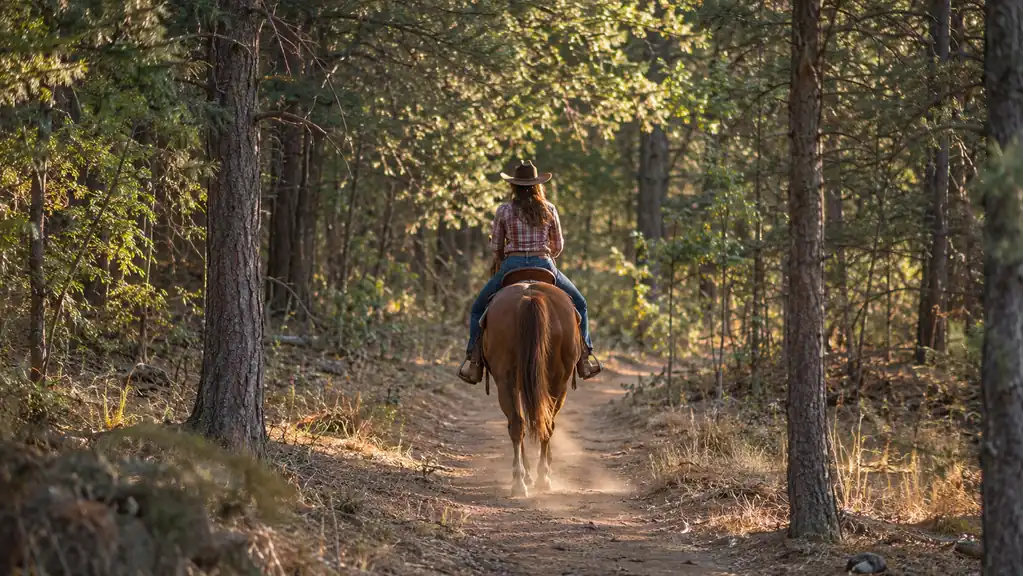
Two hours into a ride on the Kickapoo Valley Reserve, my hips start sending messages I would rather not receive. Not sharp pain. Just a dull, spreading ache that turns every rise in the trail into a negotiation. I am 61, I ride Sarge, a 16-year-old Quarter Horse gelding, about three times a week from April to November, and my longest regular ride runs about four hours. For years I assumed the ache was the price of a long day and that was that. Then in spring 2025 I spent the money on a Weaver gel seat pad, strapped it to the top of my secondhand Western saddle, and stopped dreading hour three.
One thing to get straight before the list, because it saves a lot of confusion later. This Weaver pad is a seat pad. It straps onto the saddle seat, under the rider. It is not an under-saddle pad, it never touches Sarge, and it does nothing for saddle fit or for his back. If your horse is sore under the saddle, that is a saddle fitter conversation and a vet conversation, not a pad conversation. What this one addresses is the rider's end of the equation: the pressure points that build up between you and a hard leather seat over a long day.
The cheapest eight hours of comfort you will ever buy for a trail horse
A thin gel seat pad straps onto any 15, 16 or 17 inch Western seat and lives there between rides. Today's price is on the listing.
Amazon Check today's price on Amazon →It spreads your weight instead of parking it on two spots
Sit in a Western saddle for three hours and your seat bones find the same two hard places every single time. That is the ache I was chasing. The shock absorbing gel insert compresses under you and carries your weight across a wider patch of the seat rather than letting two points take all of it. I noticed the change inside the first month, mostly as an absence. I would finish a long ride and realize I had not been shifting around in the saddle for the last hour trying to get comfortable. Nothing dramatic. Just less of that nagging pressure when I stepped off.
The strap closures keep it where you put it
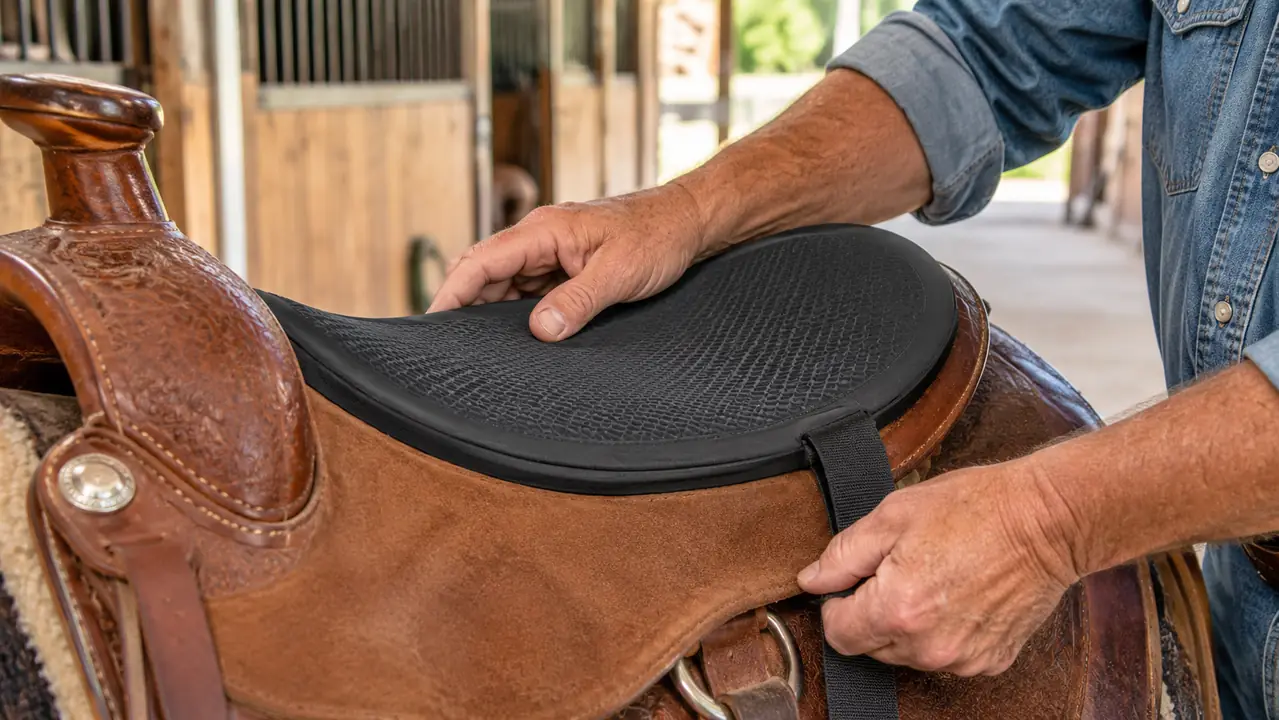
Anyone who has ridden with a folded blanket or a loose seat saver knows the drill. You mount, it shifts, and by mile four it is half off the saddle. This pad has strap closures that run down and fasten, so it stays put through mounting from the ground and through the up and down of a trail with a lot of grade change. I mount from a block at home and from whatever log or bank the trail offers, and I have never once had to reach down and straighten it mid-ride.
Half an inch is enough to feel and not enough to perch you
At half an inch thick, the Weaver pad changes what you feel without changing where you sit. I have ridden saddles with thick padded seat savers and they push you up and back and throw your leg off, especially on a horse with a wide barrel. This one is thin enough that my leg still falls where it always did. It measures 13 by 24 inches across the seat surface, which covers the part of a Western saddle you actually sit on without creeping up over the horn or back past the cantle.
It fits the seats trail riders actually own
Most of us are not riding custom saddles. This pad is made for 15, 16 and 17 inch Western seats, which covers the great majority of used saddles you will find at a tack swap or hanging in a barn aisle. Mine is a 16, a secondhand Western trail saddle with full Quarter Horse bars I bought used about twelve years ago. The pad sits down inside the seat contours instead of bunching at the edges. If your seat is smaller than a 15, or you are between sizes, measure the seat before you order, because a pad that bunches is worse than no pad.
It weighs two pounds and your horse never knows it is there
This is the part people get wrong. At two pounds, strapped to the top of the saddle, the pad adds nothing meaningful to what Sarge carries and nothing at all to the fit of the saddle. That is the honest trade. You are not helping your horse with this, you are helping yourself. If your horse is sore, look at the saddle, then the pad underneath it, then the rider's weight in the saddle, in that order. A seat pad is not a fix for a horse problem and I would not let anybody tell you otherwise, Weaver name on it or not.
The mesh cover keeps the seat from turning into a griddle
On the Weaver pad the gel insert sits under a breathable mesh cover, and the point of that is airflow between you and the leather. Anyone who has spent a long July afternoon in the saddle knows how much heat builds up there. I do not own a thermometer and I am not going to pretend I measured a temperature drop. What I can tell you is that it does not go hot and slick under me the way a solid cushion does, and I have ridden it through three Wisconsin summers. It also dries fast if it gets rained on at a trailhead.
It answers the saddle question before you buy a saddle
Before you start shopping for a new saddle, it helps to know whether the trouble is the saddle or just the hours. This pad costs a good deal less than a saddle and it answers that question in about a month. If the ache backs off with gel between you and the seat, you know the seat was the issue and you can leave the saddle money in the drawer. If nothing changes, you have learned something too, and a saddle fitter is the next call rather than another pad.
It moves between saddles without a tool in sight
There is nothing to install. It comes off the seat in the time it takes to unbuckle two straps, which matters if a friend wants to try it on her saddle at the barn, or if you keep a second saddle for a different horse. Mine mostly stays on the saddle on the rack out of plain laziness, and I have taken it off twice in eighteen months. Once to wipe it down, once to lend it for a two-hour ride. Both times it went back on without any fuss.
Cleaning it takes about a minute
Nylon and mesh do not need much. I wipe the cover with a damp sponge after a muddy ride, let it air dry on the rack, and put it back on the saddle. I have never used saddle soap on the Weaver pad and would not, since the soap on my shelf is meant for leather. Eighteen months in, the mesh is intact and the gel has not cracked or gone flat. That is more than I can say for a foam seat saver I tried years ago, which flattened to nothing inside a season.
It lets the daylight end the ride instead of your hips
This is the real payoff and the rest is detail. Before the pad, four hours was my ceiling and I knew it by hour three. Now the ride ends because the horses are tired, or the light is going, or Dale has supper on, not because I cannot sit another mile. For a woman with one horse, a day job behind her and no interest in competing, that is exactly what gear is supposed to do. It buys back hours. If your hips are the thing deciding your ride length right now, this is worth trying.
What I'd Skip
Skip it if you are hoping it will fix a horse. It will not, and no seat pad will. It does nothing about saddle fit, nothing about a sore back, and nothing about a horse that flinches when you set the saddle down. Get a fitter out and have a vet look at anything that has been going on more than a week. Skip it too if your saddle is smaller than a 15 inch seat, or if you are already riding in a seat that suits you and you finish four hours with no complaints, because you do not need it. And do not expect the gel to undo an old injury or a long day of fence work the day before. What the Weaver Equine pad does is narrow and honest: it takes the edge off the hours between you and a hard leather seat, and after eighteen months on Sarge that is the whole of my claim.
Four hours was my ceiling and I knew it by hour three. Now the ride ends because the light is going, not because I cannot sit another mile.
Eighteen months on one saddle, and it has not come off yet
A thin gel seat pad with strap closures, made for 15, 16 and 17 inch Western seats. Two pounds, mesh cover, wipes clean in a minute.
Amazon Check today's price on Amazon →